MAP urges end to restrictions on aid and movement as regional escalation threatens Palestinians
As violence escalates across the Middle East, Medical Aid for Palestinians (MAP) urgently calls for the reopening of all crossings into Gaza, the unrestricted entry of vital humanitarian aid, and the end of movement restrictions on Palestinians in the occupied West Bank.
Following the US and Israel’s military attacks on Iran on Saturday, and Iran’s subsequent retaliatory attacks, Israeli authorities closed every crossing into Gaza to aid deliveries. Karem Abu Salem crossing was partially reopened today, but the Rafah crossing and others remain closed indefinitely. Large scale aid delivery into Gaza has been blocked, and entry and exit for humanitarian staff and medical evacuations has been suspended. Movement restrictions have also been imposed in the West Bank. These actions are placing Palestinian lives at risk and severely obstructing the ability of medical teams to operate.
Palestinians in Gaza face aid restrictions and dangerous shortages
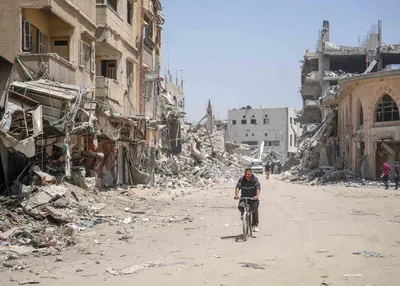
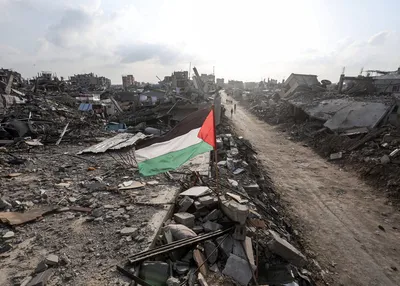
As a result of the closures, Gaza’s health system – already decimated by Israel’s genocide – now faces increased strain. All partially functioning hospitals rely entirely on backup generators which struggle to operate due to prolonged Israeli restrictions on fuel and spare parts, and electricity shortages. Medical teams have warned that they may be forced to suspend critical departments and treatments, including intensive care units, operating theatres and dialysis services, if fuel and supplies do not arrive. The UN already warned of food and shelter item shortages before the closure this weekend.
Mai Elawawda, MAP’s Communications Officer in central Gaza, said: “The mood in Gaza right now is incredibly fearful and uncertain. With the closure of crossings and the sound of rockets overhead, people have rushed to stock up on food and medicines. But after more than two years of devastation, displacement and loss of income, thousands of families simply cannot afford the basics. Our teams are still recording significant levels of malnutrition, especially in pregnant women and children.
“People fear a return to mass bombardment and extreme shortages. The psychological impact has been huge – everyone knows that closing the crossings will make our lives even more difficult. How can we face more devastation and loss?”
The closure comes almost exactly one month after the Rafah crossing was partially reopened on 2 February. Since then, only 289 patients have been medially evacuated via Rafah, far below the 18,500 in critical need. More than 1,400 people have already died while waiting for medical evacuation according to the Palestinian Ministry of Health in Gaza.
Checkpoint closures and settler violence intensify fears in the West Bank
Across the West Bank, Palestinians have also faced increased danger and restrictions. Israeli forces have intensified military measures, imposing sweeping checkpoint closures that have paralysed movement and prevented people from travelling between cities. Schools have been closed and many people have been unable to reach their homes, hospitals and workplaces.
MAP’s mobile clinics were suspended for two days due to these restrictions – resulting in more than 175 patients missing essential medical consultations. They are still suspended in the Jordan Valley. At the same time, Israeli forces continue to raid towns and refugee camps, including Qalandia and Nablus, while settlers reportedly carry out attacks even as sirens instruct them to take shelter.
Aseel Baidoun, MAP’s Deputy Director of Advocacy and Campaigns, based in Ramallah, said: “Palestinians in the West Bank are feeling very scared and anxious. We are hearing sirens and explosions, but we don't have any shelters to run to. We feel trapped in this regional war.
“We are also facing collective punishment and movement restrictions, which directly impact our daily life and access to services. Patients and doctors have been unable to reach healthcare at a time when settler attacks are at their highest levels. Despite this, we are trying everything we can to continue serving those we support.”
Heightened fears in Lebanon as Israeli troops enter and attacks continue
Following Israeli military attacks on towns in Lebanon and Beirut, Israel has deployed troops to south Lebanon. Displacement orders have forced hundreds of thousands of people to flee their homes.
There are around 200,000 Palestinian refugees in Lebanon, many of whom are living in overcrowded refugee camps and are dependent on humanitarian assistance. MAP provides a range of services in these camps, and our community midwives currently support two-thirds of all pregnant women and new mothers.
Wafa Dawkar, MAP’s Lebanon Director, has said: “MAP’s work continues in the Palestinian refugee camps, but we remain deeply concerned about the impact of further military escalation. The communities we work with have already endured repeated waves of displacement and violence.”
MAP’s work continues but international humanitarian law must be upheld
Despite restrictions on movement and aid entry, MAP’s vital work in Gaza, the West Bank and Lebanon continues. In Gaza, we continue to provide support to hospitals and neonatal units, run blood collections, provide nutrition support, and deliver primary healthcare, mental health support, physiotherapy and safe water trucking to displacement camps. In the West Bank, we are focused on ways to continue reaching the communities we support and keep mobile clinics running, and in Lebanon our community midwives continue working to support mothers in Palestinian refugee camps.
MAP urges the UK government to intensify its efforts to end Israel’s ongoing violations of international law in the occupied Palestinian territory and ensure the protection of civilians. We call for the permanent lifting of the siege and blockade to facilitate the unhindered delivery of humanitarian aid to Gaza. The UK must exercise maximum diplomatic and economic pressure including the suspension of arms transfers – to ensure accountability and bring a definitive end to Israel's genocide and illegal occupation.